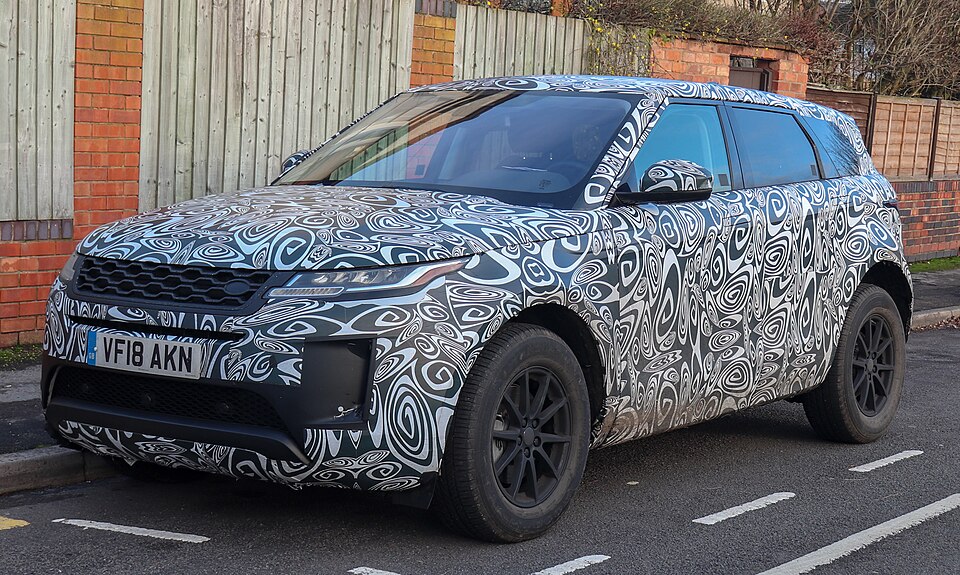
2018 Land Rover Range Rover Evoque recalls and problems

The 2018 Land Rover Range Rover Evoque has 2 recalls and 30 owner complaints on file with NHTSA; the most reported problem area is unknown or other.

2018 Land Rover Range Rover Evoque
Photo: 2018 Land Rover Range Rover Evoque by Vauxford, CC BY-SA 4.0, via Wikimedia Commons
How the 2018 compares
Fewest complaintsMost complaints

Average complaint count among 14 Range Rover Evoque model years — 8th most.

2recalls
30complaints
0crashes
0fires
0injuries
12,200median miles

Owner complaints filed with NHTSA, not verified and not adjusted for sales. Ranking compares this model's own years only.

Does your car have an open recall?
Recalls apply to specific vehicles. Only a VIN lookup on NHTSA's official site shows whether yours is affected and still unrepaired.
Check your VIN →

2 recalls

Tires

Feb 1, 2018 · NHTSA campaign 18V088000 · 190 vehicles

Problem: Jaguar Land Rover North America, LLC (Land Rover) is recalling certain 2018 Land Rover Range Rover Evoque convertible vehicles equipped with 20-inch wheels. The Tire Pressure Monitoring System (TPMS) may be incorrectly set and thus may not illuminate the warning on the instrument panel when a tire's pressure is 25% below the recommended cold inflation pressure. As such, these vehicles fail to comply with the requirements of Federal Motor Vehicle Safety Standard (FMVSS) number 138, "Tire Pressure Monitoring Systems."

Risk: If the vehicle fails to warn the driver of low tire pressure, driving the vehicle may result in tire tread separation, increasing the risk of a crash.

Remedy & notes

Land Rover will notify owners, and dealers will update the TPMS setting to correct the illumination setting, free of charge. The recall began on March 9, 2018. Owners may contact Land Rover customer service at 1-800-637-6837. Land Rover's number for this recall is N164.

Owners may also contact the National Highway Traffic Safety Administration Vehicle Safety Hotline at 1-888-327-4236 (TTY 1-800-424-9153), or go to www.safercar.gov.

Fuel System

Feb 1, 2018 · NHTSA campaign 18V087000 · 8,211 vehicles

Problem: Jaguar Land Rover North America, LLC (Land Rover) is recalling certain 2018 Land Rover Range Rover Evoque, Range Rover Velar, and Land Rover Discover Sport vehicles equipped with a 2.0L gasoline engine. The fuel rail end caps may leak, possibly resulting in fuel vapor or liquid fuel leaking into the engine bay.

Risk: A fuel leak in the presence of an ignition source such as hot engine or exhaust components can increase the risk of a fire.

Remedy & notes

Land Rover will notify owners, and dealers will replace the fuel rail, free of charge. The recall began on March 8, 2018. Owners may contact Land Rover customer service at 1-800-637-6837. Land Rover's number for this recall is N138.

Owners may also contact the National Highway Traffic Safety Administration Vehicle Safety Hotline at 1-888-327-4236 (TTY 1-800-424-9153), or go to www.safercar.gov.

Recall text as published by NHTSA and the manufacturer.

What owners complain about

Owner complaints filed with NHTSA; one complaint can name several areas. Not verified by NHTSA.

Complaints by year filed

2018: 1 complaints20182019: 2 complaints20192020: 3 complaints20202021: 2 complaints20212022: 2 complaints20222023: 4 complaints20232024: 2 complaints20242025: 6 complaints20252026: 8 complaints20268

2018 vs. other Land Rover Range Rover Evoque years

Owner complaints by model year; the darker bar is the 2018. Click a bar to switch year.

Questions

Does the 2018 Land Rover Range Rover Evoque have recalls?

Yes — NHTSA lists 2 recall campaigns covering the 2018 Land Rover Range Rover Evoque, the latest from Feb 1, 2018 (tires). A recall applies to specific vehicles: enter your VIN at nhtsa.gov/recalls to see whether yours is affected and still open.

What are the most common problems with the 2018 Land Rover Range Rover Evoque?

Owner complaints filed with NHTSA most often mention unknown or other (8), engine (5), back over prevention (4). Complaints are consumer reports and are not verified by NHTSA.