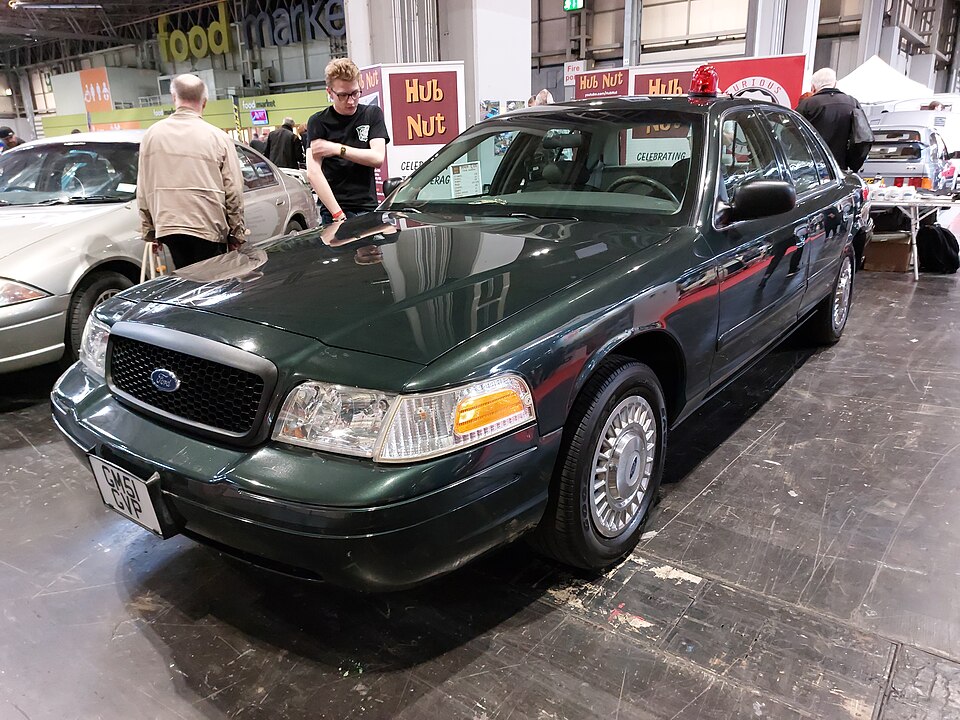
2002 Ford Crown Victoria recalls and problems

The 2002 Ford Crown Victoria has 2 recalls and 58 owner complaints on file with NHTSA; the most reported problem area is electrical system.

2002 Ford Crown Victoria
Photo: 2002 Ford Crown Victoria by kieranwhite599, CC BY 2.0, via Wikimedia Commons
How the 2002 compares
Fewest complaintsMost complaints

High complaint count among 12 Crown Victoria model years — 5th most.

2recalls
58complaints
9crashes
3fires
5injuries
50,000median miles

Owner complaints filed with NHTSA, not verified and not adjusted for sales. Ranking compares this model's own years only.

Does your car have an open recall?
Recalls apply to specific vehicles. Only a VIN lookup on NHTSA's official site shows whether yours is affected and still unrepaired.
Check your VIN →

2 recalls

Fuel System

Nov 6, 2003 · NHTSA campaign 03V472000 · 4,218 vehicles

Problem: On certain natural gas vehicles, if a flame from a vehicle interior fire becomes locally directed at the natural gas fuel tank located immediately behind the rear seat, the flame could damage the fiberglass wrap on the tank weakening the tank.

Original NHTSA wording

ON CERTAIN NATURAL GAS VEHICLES, IF A FLAME FROM A VEHICLE INTERIOR FIRE BECOMES LOCALLY DIRECTED AT THE NATURAL GAS FUEL TANK LOCATED IMMEDIATELY BEHIND THE REAR SEAT, THE FLAME COULD DAMAGE THE FIBERGLASS WRAP ON THE TANK WEAKENING THE TANK.

Risk: If the strength of the tank is significantly compromised, it could rupture, increasing the risk of a fire.

Original NHTSA wording

IF THE STRENGTH OF THE TANK IS SIGNIFICANTLY COMPROMISED, IT COULD RUPTURE, INCREASING THE RISK OF A FIRE.

Remedy & notes

Dealers will install an insulator behind the current seat back. Owner notification began on January 7, 2004. Owners should contact Ford at 1-800-392-3673.

Ford recall no. 03S08.customers can also contact the national highway traffic safety administration's auto safety hotline at 1-888-DASH-2-DOT (1-888-327-4236).

Fuel System

Sep 6, 2002 · NHTSA campaign 02V249000 · 574 vehicles

Problem: On certain natural gas model vehicles, a t-fitting that connects fuel tanks #3 and #4 can develop a leak when the solenoid valves are energized, such as when the ignition switch is in the on position or during refueling.

Original NHTSA wording

ON CERTAIN NATURAL GAS MODEL VEHICLES, A T-FITTING THAT CONNECTS FUEL TANKS #3 AND #4 CAN DEVELOP A LEAK WHEN THE SOLENOID VALVES ARE ENERGIZED, SUCH AS WHEN THE IGNITION SWITCH IS IN THE ON POSITION OR DURING REFUELING.

Risk: A gas leak of sufficient quantity concentrated in an area to create a combustible mixture and in the presence of an ignition source could result in a fire.

Original NHTSA wording

A GAS LEAK OF SUFFICIENT QUANTITY CONCENTRATED IN AN AREA TO CREATE A COMBUSTIBLE MIXTURE AND IN THE PRESENCE OF AN IGNITION SOURCE COULD RESULT IN A FIRE.

Remedy & notes

Dealers will install a redesigned "t" fitting on #4 fuel tank and tested for leakage. Owner notification began September 13, 2002. Owners who do not receive the free remedy within a reasonable time should contact Ford at 1-866-436-7332.

Also contact the national highway traffic safety administration's auto safety hotline at 1-888-DASH-2-DOT (1-888-327-4236).

Recall text as published by NHTSA and the manufacturer.

What owners complain about

Owner complaints filed with NHTSA; one complaint can name several areas. Not verified by NHTSA.

Complaints by year filed

2001: 1 complaints20012002: 10 complaints2003: 14 complaints2003142004: 6 complaints2005: 3 complaints20052006: 1 complaints2007: 2 complaints20072008: 3 complaints2009: 4 complaints20092011: 2 complaints2012: 2 complaints20122013: 1 complaints2014: 4 complaints20142016: 3 complaints2022: 1 complaints20222025: 1 complaints20251

NHTSA investigations

SPARK PLUG EJECTION FROM CYLINDER HEAD

DP05005 · opened Sep 22, 2005 · closed Jan 4, 2006
Summary

ON SEPTEMBER 6, 2005, ODI RECEIVED A PETITION REQUESTING THAT THE AGENCY INVESTIGATE ALLEGATIONS OF ENGINE SPARK PLUG EJECTION IN CERTAIN MODEL YEAR 1997 THROUGH 2004 FORD VEHICLES WITH TRITON V-8 AND V-10 ENGINES.ODI RECEIVED A TOTAL OF 474 NON-DUPLICATIVE COMPLAINTS ON THE SUBJECT VEHICLES WHERE THE COMPLAINANT, OR THE DEALER REPAIRING THE VEHICLE, REPORTED THAT A SPARK PLUG DETACHED FROM THE CYLINDER AND/OR EJECTED FROM THE ENGINE.AS OF DECEMBER 8, 2005, ODI IS NOT AWARE OF ANY ALLEGATIONS WHERE THE ALLEGED DEFECT RESULTED IN A LOSS OF VEHICLE CONTROL, A CRASH, AN INJURY, OR A FATALITY IN ANY OF THE 10,319,810 SUBJECT VEHICLES.IN ADDITION, ODI IS AWARE OF ONLY TWO INCIDENTS WHERE THE VEHICLE STALLED WITHOUT RESTART.INFORMATION CONTAINED IN THE ODI CONSUMER COMPLAINTS AND OBTAINED FROM 72 TELEPHONE INTERVIEWS WITH COMPLAINANTS SHOWED THE FOLLOWING:(1) 99% OF THE COMPLAINTS WERE ON MY 1997 TO 2002 SUBJECT VEHICLES.(2) MOST THE COMPLAINANTS REPORTED HEARING A LOUD POP WHILE DRIVING OR UPON STARTING UP THE VEHICLE FOLLOWED BY A LOUD, REPETITIVE CLICKING OR POPPING SOUND.(3) MANY OF THE COMPLAINANTS REPORTED THAT THE POPPING SOUND WAS ACCOMPANIED BY SOME LOSS OF VEHICLE POWER; HOWEVER, IN 99% OF THE INCIDENTS REPORTED, THE VEHICLE DID NOT STALL.IN THE VERY FEW INCIDENTS WHERE THE VEHICLE DID STALL, MOST VEHICLES COULD BE RESTARTED.(4) ONLY A SMALL PERCENTAGE OF THE COMPLAINANTS CITED THAT THEY SMELLED GAS OR A SLIGHT BURNING SMELL WHEN THE INCIDENT OCCURRED.(5) IN ALL BUT A VER…

CNG TANK EXPLOSION

EA03001 · opened Jan 27, 2003 · closed Nov 19, 2003 · led to recall 03V472000
Summary

IN SEPTEMBER 2002, A FUEL CYLINDER IN A NATURAL GAS POWERED VEHICLE (NGV) EXPLODED DURING A FIRE.FORD AND VRTC TEST ENGINEERS JOINTLY EXAMINED THE INCIDENT VEHICLE AND REVIEWED TESTING TO DETERMINE WHETHER THE PERFORMANCE OF THE PRESSURE RELIEF VALVE (PRD) WAS PROPER.THE PURPOSE OF A PRD IS TO PROTECT A COMPRESSED NATURAL GAS TANK FROM OVERPRESSURE BY ALLOWING THE CNG TO VENT WHEN THE TEMPERATURE REACHES A SPECIFIC POINT.THE PRD WAS REMOVED FROM THE FAILED TANK AND SUBJECTED TO A YIELD TEMPERATURE DETERMINATION TEST. IT WAS CONCLUDED THAT A DIRECT FLAME (FROM THE INTERIOR OF THE VEHICLE) ONTO THE CYLINDER (LOCATED BEHIND THE REAR SEAT IN THE TRUNK)COMPROMISED THE HOOP STRENGTH OF THE NATURAL GAS CYLINDER, THUS ALLOWING THE CYLINDER TO FAIL PRIOR TO THE PRD RELEASING AT ITSDESIGNED TEMPERATURE.AS A RESULT OF THIS TESTING AND REVIEW OF THE INVOLVED VEHICLE, FORD HAS DEVELOPED AN INSULATOR TO INSULATE THE NATURAL GAS FUEL TANK FROM A LOCALLY DIRECTED FLAME PROJECTING FROM THE INTERIOR OF THE VEHICLE.INSULATORS WILL BE INSTALLED BEHIND THE BACK SEAT ON SUBJECT VEHICLES TO PREVENT FUTURE FAILURES OF THIS TYPE. FORD'S ACTION ADDRESSES THE CONCERNS OF ODI.THEREFORE, THIS INVESTIGATION IS CLOSED.

CNG TANK EXPLODING IN A FIRE

PE02071 · opened Oct 1, 2002 · closed Jan 27, 2003
Summary

AN EXPLOSION OF A COMPRESSED NATURAL GAS (CNG) TANK SHOULD NOT BE ABLE TO OCCUR, AS THE TANK IS FITTED WITH A PRESSURE RELIEF DEVICE (PRD). THIS PRD SHOULD RELEASE THE CNG IN THE TANK, PRIOR TO THE PRESSURE REACHING THE TANK BURST PRESSURE.THE PRD DID NOT RELEASE IN THE SUBJECT WISCONSIN POLICE CRUISER EXPLOSION.NHTSA HAS RECOVERED THE PRD VALVE FROM THE TANK THAT EXPLODED AND TESTING WILL BE NECESSARY TO ESTABLISH WHY THIS TANK SAFETY VALVE DID NOT RELEASE IN THE VERY HIGH TEMPERATURE FIRE THAT OCCURRED IN THE POLICE CRUISER.THERE IS ONLY THE SINGLE KNOWN EVENT, BUT DUE TO THE CATASTROPIC FORCE OF SUCH AN EXPLOSION AND THE POTENTIAL FOR INJURY AND LOSS OF LIFE, THIS INVESTIGATION IS BEING UPGRADED.

2002 vs. other Ford Crown Victoria years

Owner complaints by model year; the darker bar is the 2002. Click a bar to switch year.

Questions

Does the 2002 Ford Crown Victoria have recalls?

Yes — NHTSA lists 2 recall campaigns covering the 2002 Ford Crown Victoria, the latest from Nov 6, 2003 (fuel system). A recall applies to specific vehicles: enter your VIN at nhtsa.gov/recalls to see whether yours is affected and still open.

What are the most common problems with the 2002 Ford Crown Victoria?

Owner complaints filed with NHTSA most often mention electrical system (9), engine (8), fuel system (8). Complaints are consumer reports and are not verified by NHTSA.